Easter is the
biggest celebration of the year here in Crete, Christmas coming a
poor second. During holy week of 1989 preparations were underway by families
all over the Island. On every second corner I would find a lamb or
goat tied up for slaughter. Sometimes I came across one already dead
and hanging from a tree while it was skinned and cleaned. This is
certainly not a place to be squeamish. The women would be cleaning
the innards, often in the freezing cold fast flowing waters of the
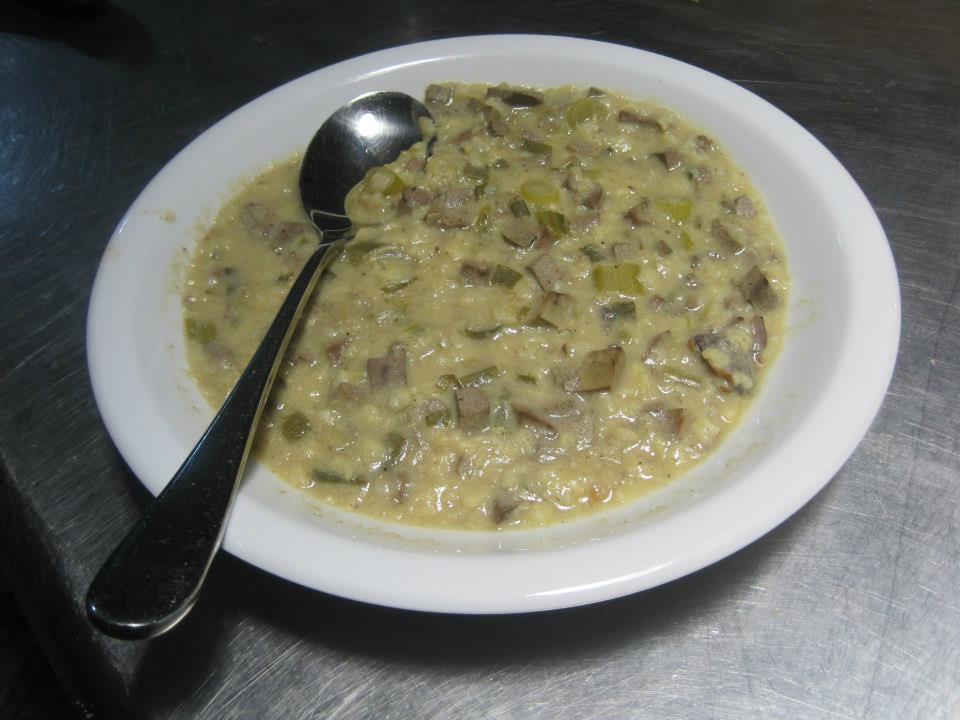
mountain streams, to make seasonal specialties such as Easter soup,
‘Mayiritsa’, made from offal and rice with an egg and lemon
sauce, with which they would break the Lenten fast on their return
from the midnight service They were also making cheese pies and dying
hard-boiled eggs with bright red colourings
ready for the feast.
For the previous few
days wherever I went I had been given Easter biscuits which I usually
secreted away in my pockets to dispose of later, as I really do not
like them, but there is no escaping them at this time of the year.
On Good Friday
morning I walked down towards the church and watched the women and
girls as they gathered flowers from the village gardens. Their
choice was a little limited due to the early date of Easter, but the
lilies were in full bloom and also the anemones, lupins and narcissi.
They carried all the flowers to the church in a large sheet, to
decorate the bier, on which would lay the image of the crucified
Christ, to be carried around the village in procession during the
evening service.
The men and boys were
otherwise occupied and could be seen dragging tree branches down the
road to build into the Easter bonfire. A few of them standing guard
all night in case of raids from nearby villagers, hunting for
something to make their own fires larger!
At about eight pm the
congregation began to gather. Many people standing outside the church
as it was too small to accommodate everyone. The men smoking and
chattering as the service began. The women, rather more pious,
standing inside the church, but still turning to greet or speak to a
friend. They didn’t seem to have the same respect for the priest
that I had been expecting.
The celebrant in his
purple robes of lent sprinkled holy water and waved the incense
burner smelling of Myrrh and Frankincense. The strong perfume of the
flowers mingling with the incense until it became quite overpowering.
After a while the bier
was lifted onto the strong shoulders of a few village lads and the
procession began. We followed the priest carrying the gold covered
Bible and the altar boys carrying various church relics, as we
processed around the village and into the cemetery, the altar boys
looking as though butter wouldn’t melt in their mouths. I felt sure
that they would revert to their usual state of rowdiness immediately
the service ended.
Here we stopped while the
Priest said a prayer for the souls of the departed and gave many
individual blessings. The families congregated around their family
tombs lighting the little oil lamps and remembering their loved ones.
Families had spent hours cleaning and tidying the tombs during the
week so they were ready for this moment.
After a while the
procession wound its way back to the Church. The bearers stopped
outside the door, lifted their burden high and we all entered,
stooping underneath the flower strewn bier, which was supposed to
bring good fortune for the following year. At
the end of the service the flowers were stripped from the bier and
taken home by the congregation, leaving it denuded and bare as it had
been the day before.
All the next day the
church bells tolled the death knell at regular intervals. DAN DA
DAN, DAN DA DAN.
The housewives were busy making last minute
preparations for the feasting to come.
I dressed warmly as I
prepared to go to the midnight service. It was, as I expected, quite
cold.
“Don’t wear anything
flammable.” I had been warned “The fire can get out of control
and the boys throw fireworks.”
The church and its
courtyard were crowded with all the villagers thronging to take part
in the service, this being the most important day of the year in the
church calendar. We were all decked in our best clothes and the
children dressed like little dolls, their faces alight with
anticipation and wonder.
Everyone carried unlit
candles, the children’s often decorated with a toy or small gift.
Just before midnight all
the lights were turned out. Then the priest began. “Christos
Anesti” “Christ is risen” and from his one candle, the other
candles were lit, the flame being passed quickly from one to the
next. The holy flame had been transported to Crete earlier in the day
from the Jerusalem and dispersed to the clergy by the patriarch. The
bells rang out joyfully on the night air, men and boys taking turns
to ring them. The bonfire was lit and on top of it I could see a
stuffed effigy which resembled a Guy Fawkes; it turned out to be
Judas. Burning Judas the betrayer, is an important part of the
ritual. Fireworks and even small camping gas cylinders were thrown on
the flames by some of the young lads making it rather unsafe to go
too close. The young, and often not so young, boys also found it
amusing to throw bangers at the feet of passers by. Not so funny for
the rest of us and I suffered quite a bad burn when I didn’t step
out of the way fast enough.
Guns were being
fired over our heads and an atmosphere of festivity was in the air as
the churchgoers returned to their homes to begin the feasting and
celebrating for which they had been waiting, everyone trying to take
their candles home still alight, to make the sign of the cross over
the threshold for prosperity and happiness in the following year.
Mayritsa - the traditional way to break the fast
Many youngsters remained
to spend the evening around the bonfire cooking potatoes and pork
chops in the embers. They also continued to ring the bell long into
the early hours. I walked back up to my room and lay awake listening
to the sound of the guns mixed with the joyful pealing of the bells. As I snuggled down in bed I could hear another burst of gunfire came from somewhere nearby. Where on earth
did someone get a machine gun? Perhaps it was better not to ask.
(The photos are from a later Easter)